
Games for Social Good Series, Part 3 of 5.
In the first post of this series, we explored how games can educate and inspire, blending storytelling with interactivity to create experiences that teach and motivate action. The second post tackled the challenges of creating games for social good, offering practical solutions to overcome resource and expertise gaps.
In this third post, we’re focusing on how inclusive games empower diverse audiences. By breaking down barriers and fostering meaningful connections, inclusive design ensures that players of all abilities and backgrounds can fully enjoy the benefits of gaming.
Why Inclusivity Matters in Game Design
Gaming has the unique ability to connect people, but only if everyone can participate. For too long, traditional game designs have unintentionally excluded players with disabilities or those from underrepresented backgrounds (Palmquist et al., 2024). This isn’t just a missed opportunity for connection; it’s a barrier to the joy and enrichment that gaming can provide.
Inclusive game design changes this by actively considering the needs of diverse players from the very beginning (de Santana et al., 2018). It’s about creating experiences that are welcoming, accessible, and reflective of the people who play them.
Breaking Barriers with Inclusive Design
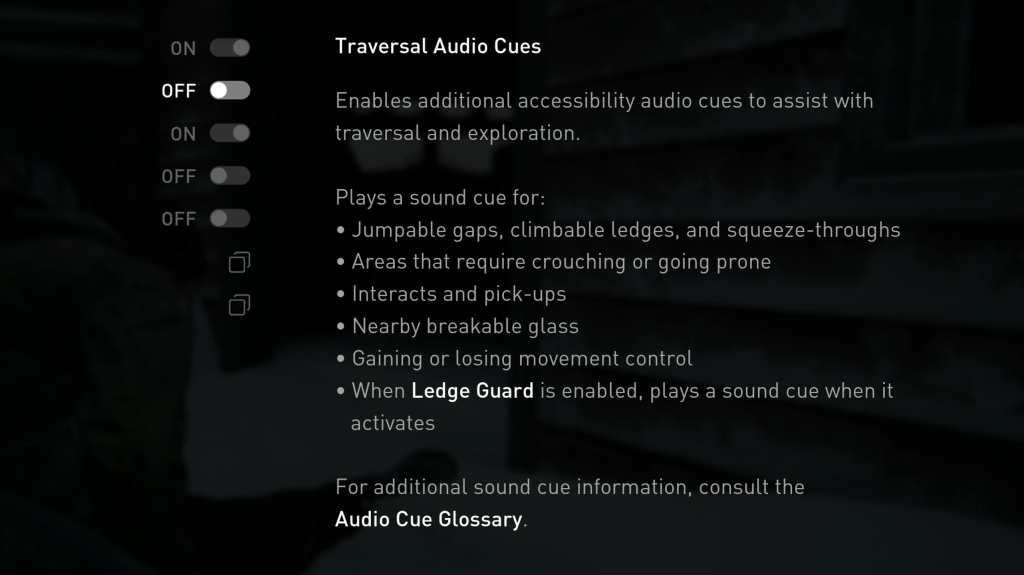
Traditional game designs often inadvertently create barriers for players with disabilities. Physical disabilities can make standard controllers difficult to use, sensory impairments can hinder the interpretation of audio or visual cues, and cognitive differences may make complex interfaces overwhelming (Westin et al., 2018). Inclusive design addresses these challenges with features like:
- Customisable controls: Allowing players to remap buttons, adjust sensitivity, and toggle functionalities to suit their physical needs (Yuan et al., 2023).
- Sensory-friendly settings: Offering options to reduce motion blur, adjust contrast, and enable colourblind modes (Ahmed et al., 2020).
- Dynamic difficulty systems: Adapting gameplay in real-time to meet players where they are, ensuring engagement without frustration (de Santana et al., 2018).
Games like The Last of Us Part II, Gears 5, and Marvel’s Spider-Man 2 exemplify these principles by offering extensive remapping options, sensory adjustments, and balanced difficulty mechanics. These features make gaming a joy for everyone, not just a privilege for the few.
Accessibility as a Pillar of Inclusion
Accessibility lies at the heart of inclusive gaming. Adaptive hardware like the Xbox Adaptive Controller (Microsoft, 2018) and Sony Access Controller (Sony Interactive Entertainment, 2023) has revolutionised gaming for players with physical disabilities. These devices connect to external assistive tools like switches and joysticks, enabling highly personalised setups (Yuan et al., 2023).
Titles like Celeste and Assassin’s Creed Valhalla demonstrate a commitment to accessibility with features such as one-handed play presets, adjustable subtitles, and motion sickness options (Westin et al., 2018). These innovations ensure that individuals with physical, sensory, or cognitive differences can fully engage with and enjoy gaming experiences.

Representation and Empowerment
Inclusivity isn’t just about accessibility—it’s also about representation. Players should be able to see themselves reflected in the games they play. Authentic representation of diverse cultures, genders, and abilities fosters a sense of validation and connection (Shaw, 2015).
Games like Spider-Man: Miles Morales, featuring a protagonist from an underrepresented group, and Stardew Valley, which supports same-gender relationships, show how diverse storytelling can challenge stereotypes and promote empathy (Gray, 2020). Representation isn’t just a feature—it’s a way to make gaming more meaningful for everyone.
Inclusive Design Principles
The principles of inclusive game design tie together accessibility and representation, offering a roadmap for developers to create equitable experiences (Yuan et al., 2023):
- Diverse Representation: Reflecting the variety of human abilities, cultures, and stories authentically (Shaw, 2015).
- Accessibility: Designing games with features like high-contrast visuals, clear symbols, and support for multiple sensory formats (Westin et al., 2018).
- Fair Systems: Implementing adjustable difficulty levels and balanced mechanics to ensure all players can achieve success (Ahmed et al., 2020).
- Universal Design: Crafting core mechanics that naturally appeal to a wide audience without requiring special adaptations (Mustaquim & Nyström, 2012).
- Iterative Testing: Involving diverse playtesters throughout development to identify and address barriers early (de Santana et al., 2018).
By following these principles, developers can ensure their games are not only accessible but also engaging and relevant to a wide range of players.
The Impact of Inclusive Gaming
Inclusive design has a ripple effect, fostering a more welcoming and connected gaming community. By prioritising inclusivity, developers create spaces where individuals from all backgrounds feel they belong (Gray, 2020). This approach also encourages innovation, as developers explore new ways to make games more engaging for diverse audiences (Yuan et al., 2023).
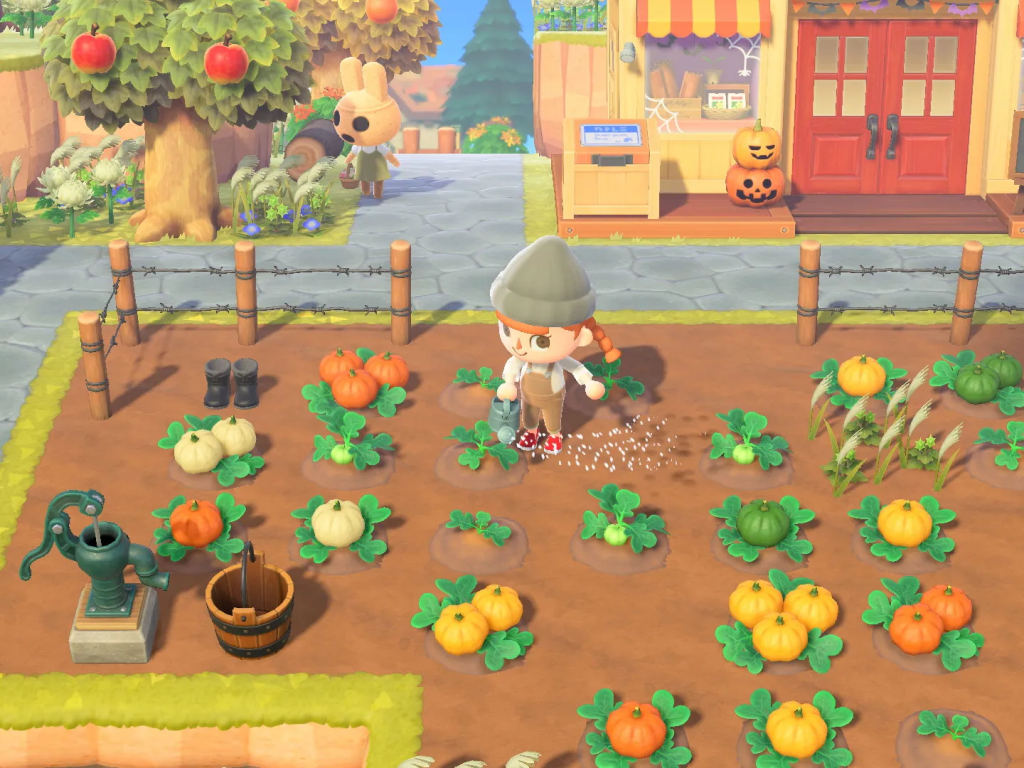
Moreover, inclusive games offer platforms for self-expression and personal growth. Titles like Minecraft and Animal Crossing: New Horizons provide creative tools that allow players to build virtual worlds reflecting their unique perspectives (Shaw, 2015). Overcoming challenges in games, especially those with accessibility features, boosts confidence and fosters a sense of accomplishment (Westin et al., 2018).
Conclusion
Inclusive game design represents a fundamental evolution in interactive entertainment. By embracing the diversity of players’ abilities, backgrounds, and preferences, developers are breaking down barriers and creating opportunities for connection and growth.
Collaboration is a key part of this evolution. Developers, advocates, and players working together ensure that games are inclusive, effective, and aligned with their intended purpose. It’s through this collaborative process that the industry can continue to innovate and create meaningful experiences for everyone.
Looking Ahead
In the next post, I’ll be exploring how games can help build communities and reduce isolation. I’ll look at how multiplayer and cooperative games create opportunities for connection, encourage collaboration, and provide a sense of belonging. Games have a unique ability to bring people together, and the post will be discussing how they can play a role in tackling loneliness and strengthening social bonds.
References
Ahmed, A., Allam, A., El-Nasr, M.S., and Tolba, M.F. (2020). Investigating Inclusivity in Game-Based Learning: Current Practices and Multistakeholder Perspectives. ECGBL 2020 14th European Conference on Game-Based Learning.
ConcernedApe. (2016) Stardew Valley (Video game).
de Santana, J.P., Bellini, M., Brandão, D., and Isotani, S. (2018). An Inclusive Approach to Support the Design of Serious Games. Brazilian Symposium on Computers in Education.
Gray, K.L. (2020) Intersectional tech: Black users in digital gaming. Louisiana State University Press.
Insomniac Games. (2020) Spider-Man: Miles Morales (Video game). Sony Interactive Entertainment.
Maddy Makes Games. (2018) Celeste (Video game).
Microsoft. (2018) Xbox Adaptive Controller (Hardware).
Mojang Studios. (2011) Minecraft (Video game). Xbox Game Studios.
Mustaquim, M. and Nyström, T. (2012) ‘An inclusive framework for developing video games for learning’, Proceedings of ECGBL 2012, pp. 348–355.
Naughty Dog. (2020) The Last of Us Part II (Video game). Sony Interactive Entertainment.
Palmquist, A., Jedel, I., & Goethe, O. (2024). Universal Design in Video Games: Active Participation Through Accessible Play. Springer Cham.
Shaw, A. (2015) Gaming at the edge: Sexuality and gender at the margins of gamer culture. University of Minnesota Press.
Sony Interactive Entertainment. (2023) Access Controller (Hardware)..
Ubisoft. (2020) Assassin’s Creed Valhalla (Video game).
Westin, T., Ku, J. and Dupire, J. (2018) ‘Game accessibility for all: A literature review and analysis of games designed for people with disabilities’, Universal Access in the Information Society, 17(4), pp. 881–900.
Yuan, B., Folmer, E. and Harris, F.C. (2023) ‘Game accessibility: A survey’, Universal Access in the Information Society, 10(1), pp. 81–100.


Leave a Reply