
Games for Social Good Series, Part 2 of 5.
In the first post of this series, we explored the incredible potential of games to educate, raise awareness, and inspire action. Games have the potential to do more than entertain—they can make a meaningful difference. However, for many smaller organisations, the path to creating a game is filled with challenges. This post explores those barriers and how they can be overcome.
Game development has the potential to transform how charities and non-profits engage with their audiences. From raising awareness to educating and inspiring action, games can communicate complex ideas in a way that’s interactive and unforgettable. However, for smaller organisations, the path to creating a game can feel out of reach. Cost, technical expertise, and resource limitations often act as significant barriers. This post explores how we can address these challenges to make game development more accessible, affordable, and impactful for smaller organisations.

The Cost of Game Development
One of the biggest challenges smaller organisations face is the cost of game development. Creating a game requires a team of skilled professionals, including developers, designers, artists, and testers. On top of that, there are software licenses, hardware requirements, and distribution expenses to consider. Even a relatively simple game can cost thousands of pounds to develop, while more complex projects can run into the millions (Whitson et al., 2021).
For SME charities and non-profits operating on tight budgets, these costs can make game development seem like an unattainable goal. Focusing on smaller, targeted projects and adopting innovative design approaches can help reduce costs while still delivering impactful experiences.
The Expertise Gap
Even when funding is available, smaller organisations often lack the technical expertise required to develop a game. Game development is a highly specialised field, involving programming, user experience design, and storytelling. Without in-house expertise, many organisations may find it difficult to know where to begin. This gap in expertise, however, doesn’t have to be a barrier; collaboration provides a practical and effective way to bridge it.
By involving subject matter experts and beneficiaries during the design and testing phases, organisations can ensure that the game achieves its goals while also resonating with its audience. Collaborative, inclusive design not only fills the expertise gap but also improves outcomes and fosters stronger engagement (Costanza-Chock, 2020).

Time and Resource Constraints
Smaller organisations are often stretched thin, with limited time and resources to dedicate to new projects. Game development can be a long and complex process, involving multiple iterations and extensive testing. For teams already juggling day-to-day operations, finding the time to oversee a game project can be overwhelming.
Dividing the process into manageable stages and maintaining clear communication helps organisations stay on track without overwhelming their teams. Adopting a flexible and agile design and development approach enables projects to be divided into smaller, iterative steps, enhancing efficiency and reducing stress (Mishra and Alzoubi, 2023).
The Power of Collaboration
Involving those who will benefit most from the game—whether that’s the organisation’s team, their audience, or the broader community—creates a sense of ownership and ensures the project stays focused. This approach not only leads to better results but also fosters inclusivity, as everyone involved has a voice in the process. User-centred and collaborative design fosters deeper engagement and creates more meaningful experiences, particularly in serious game development (Bunt, 2024). Prioritising collaboration ensures that projects are impactful and resonate deeply with their intended audiences.
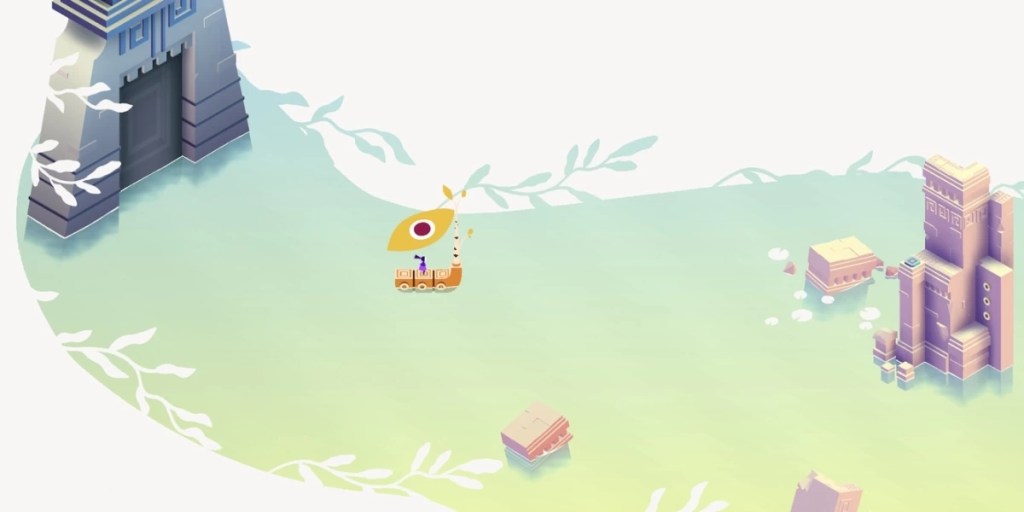
Examples like Monument Valley 3 demonstrate how collaboration and thoughtful design can extend beyond entertainment to drive social impact. The game not only captivated players with its innovative mechanics but also raised awareness of flood resilience, showing how games can inspire action and support charitable causes.
Collaboration is also crucial in creating games that resonate deeply with their intended audience. In projects involving gaze interaction and accessible gaming, working closely with users who rely on alternative communication methods has shown how tailored design can truly meet their needs (Vickers et al., 2013).
Hope for the Future
While the challenges are real, they’re not insurmountable. With the right support and a collaborative approach, SMEs can harness the power of games and virtual environments to achieve their goals. With the right support and strategies, charities and non-profits can overcome these barriers and unlock the potential of games to make a meaningful difference.
In the next post in this series, I’ll look more into the collaborative design process and how it ensures games are inclusive, effective, and aligned with their intended purpose. For now, the message is: with the right tools and partnerships, game development is within reach for everyone.
References
Bunt, L., Greeff, J. and Taylor, E. (2024) ‘Enhancing serious game design: Expert-reviewed, stakeholder-centered framework’, JMIR Serious Games, 12. doi:10.2196/48099.
Costanza-Chock, S. (2020). Design justice: Community-led practices to build the worlds we need. Cambridge, Massachusetts: The MIT Press.
Mishra, A. and Alzoubi, Y.I. (2023) Structured software development versus agile software development: A comparative analysis, International Journal of System Assurance Engineering and Management, 14(4), pp. 1504–1522. doi:10.1007/s13198-023-01958-5.
Vickers, S., Istance, H., and Hyrskykari, A., 2013. Performing locomotion tasks in immersive computer games with an adapted eye-tracking interface. ACM Transactions in Accessible Computing, 5(1), pp. 1-33.
Whitson, J.R., Simon, B., and Parker, F., 2021. The cost of indie game development: Labour, funding, and the future of small studios. Games and Culture, 16(2), pp. 123-140.

 Pixel Horizons
Leave a comment