
Games for Social Good Series, Part 1 of 5.
Video games and immersive environments are a versatile medium that extend beyond entertainment. They have the potential to educate, raise awareness, and inspire action. While the idea of using games for education and social impact isn’t new, it’s still something that surprises many people. For charities and non-profits, they present an opportunity to engage audiences in a meaningful and memorable way.
Why Games Work
Games are interactive by nature, which makes them an excellent tool for learning and engagement. They draw people into experiences, encouraging them to think, explore, and connect. Research has shown that games can significantly enhance learning outcomes by providing immersive, hands-on experiences (Boyle et al., 2012). For example, games like That Dragon, Cancer
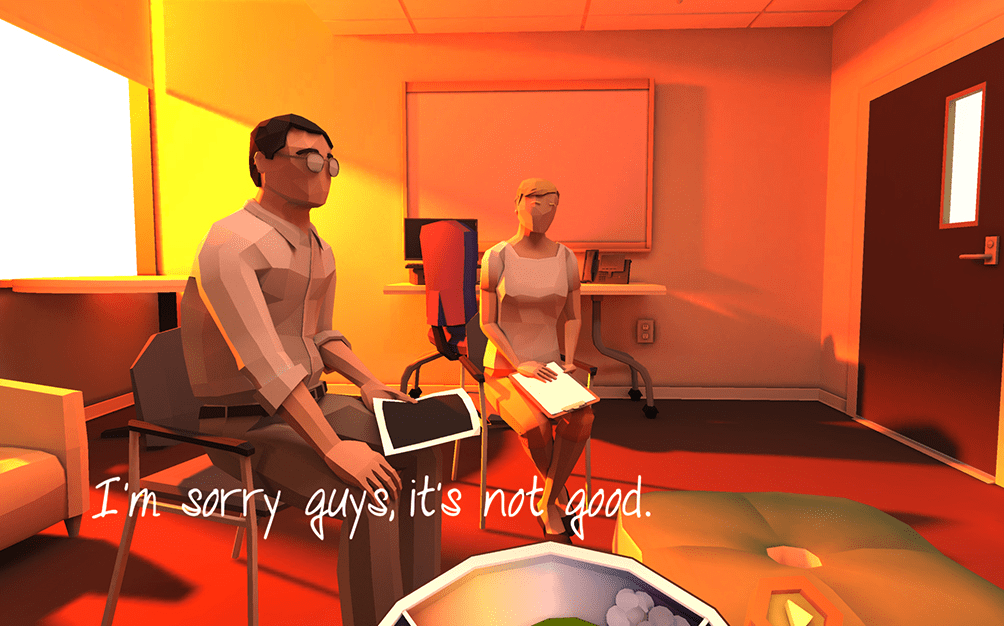
share deeply personal stories, while Papers, Please challenges players to navigate complex moral dilemmas.
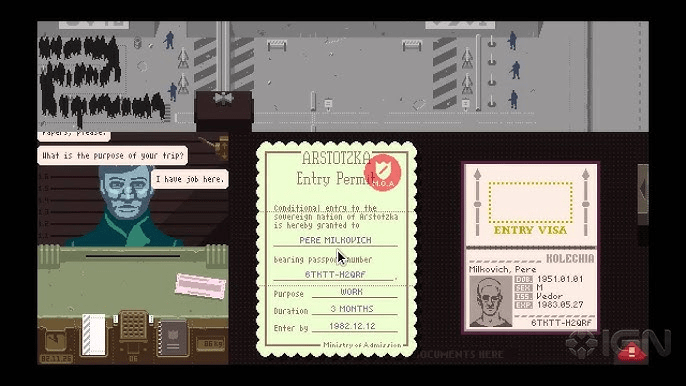
These kinds of experiences go beyond entertainment—they leave an impression, sparking thought and empathy.
This ability to create immersive and emotional connections is what makes games such a powerful way to educate and spread awareness. Whether it’s teaching environmental sustainability or highlighting the challenges faced by marginalised groups, games have a unique way of reaching people (Ruggiero, 2015).
The Challenges for Small Organisations
Despite their potential, developing games can be intimidating for smaller organisations. The process requires technical expertise, creative design, and a significant investment of time and resources. For charities and non-profits, this can feel like an impossible hurdle to overcome.
Collaboration
Collaborative design is key to making impactful games. A crucial part of the process involves the people who know the subject best: the organisations themselves and the communities they serve. By working together on design and testing, the game can reflect the needs and voices of those it’s intended for. This approach not only makes the project more inclusive but also creates a sense of ownership and ensures the final product stays on track.

Research and Accessibility
Making games more inclusive has been shaped by years of research into accessible gaming and alternative interaction methods. This includes a wide range of approaches, such as adaptive controllers, voice recognition, haptic feedback, and customisable control schemes, all of which ensure that games can be played by individuals with diverse needs. For example, features like auditory cues for visually impaired players and simplified interfaces for cognitive accessibility have opened up gaming to broader audiences.
Gaze-based interaction has also been a significant area of innovation. Research into gaze gestures and dwell-based interaction (Istance et al., 2010) has explored how eye tracking can make games accessible to players with motor impairments. Projects like EyeGuitar demonstrate how rhythm-based music games can be played using only eye movements (Vickers et al., 2010), while advancements in gaze tracking (Majaranta et al., 2019) have shown how this technology can enhance both accessibility and engagement. Accessibility remains a priority, with the aim of making every game adaptable, inclusive, and enjoyable for all players.
Games That Make a Difference
There are already some amazing examples of games that have had a real-world impact. Foldit lets players contribute to scientific research by solving protein-folding puzzles, while Sea Hero Quest helps scientists study dementia by tracking how players navigate through the game.
These games show how gaming can go beyond entertainment to create meaningful change (Boyle et al., 2012).
Other titles, like This War of Mine, highlight the human cost of war, while Eco encourages players to work together to build a sustainable society.
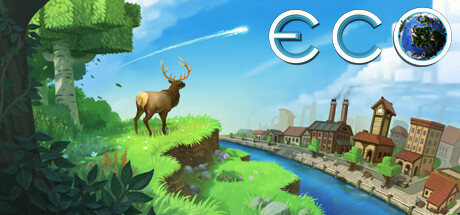
These examples demonstrate the immense potential of games to educate, engage, and inspire, fostering connections and driving positive change.
Looking Ahead
This is just the start of a series of posts exploring how I am approaching game development for social good. Future posts will explore topics like collaborative design, accessibility, and the practicalities of making games for charities and non-profits. For now, the focus is simple: games can do more than entertain—they can make a difference.
If you’re part of an organisation with an idea for a game, I’d love to collaborate. Let’s create something that not only tells your story but also connects with your audience in a meaningful way.
References
Boyle, E.A., Connolly, T.M., Hainey, T. and Boyle, J.M., 2012. Engagement in digital entertainment games: A systematic review. Computers in Human Behavior, 54, pp. 71-90.
Foldit, 2025. Foldit – Solve puzzles for science. [online] Available at: https://fold.it/ [Accessed 12 Mar. 2025].
Gee, J.P., 2003. What video games have to teach us about learning and literacy. Palgrave Macmillan.
Majaranta, P., Aoki, H., Donegan, M. and Hansen, J.P., 2019. Gaze interaction and applications of eye tracking: Advances in assistive technologies. Universal Access in the Information Society, 18(4), pp. 883-902.
Ruggiero, D., 2015. The effect of serious games on learning, engagement and empathy. International Journal of Game-Based Learning, 5(1), pp. 41-54.
Istance, H., Hyrskykari, A., Immonen, L., Mansikkamaa, S. & Vickers, S. (2010) Designing gaze gestures for gaming: an investigation of performance. Proceedings of the 2010 Symposium on Eye-Tracking Research & Applications, pp. 323–330.
Sea Hero Quest, 2025. Sea Hero Quest. [online] Available at: https://www.seaheroquest.com/ [Accessed 12 Mar. 2025].
Vickers, S.; Istance, H. & Smalley, M. (2010) EyeGuitar: Making Rhythm Based Music Video Games Accessible Using Only Eye Movements. Proceedings of the 2010 International Conference on Advances in Computer Entertainment Technology: ACE ’10

 Pixel Horizons
Leave a reply to Empowering Diversity: The Role of Inclusivity in Game Design – Pixel Horizons Cancel reply