

Games for Social Good Series, Part 4 of 5
In the first post of this series, we explored how games can educate and inspire, blending storytelling with interactivity to create experiences that teach and motivate action. The second post looked at the challenges of creating games for social good, offering practical solutions to overcome barriers like limited resources and expertise. The third post focused on inclusivity, showing how accessible and representative game design can empower diverse audiences. This post looks at how games create communities and provide a sense of belonging, offering a powerful way to reduce isolation.
Gaming as a Social Lifeline
Engaging with online games, particularly in multiplayer environments, strengthens players’ sense of social identity. This is often linked to higher self-esteem, improved social competence, and reduced loneliness (Martončik and Lokša, 2016). Shared enthusiasm for a game frequently acts as a foundation for building friendships and meaningful social connections (Kaye et al., 2017).
During the COVID-19 pandemic, gaming became a vital way for people to maintain relationships when physical interactions were restricted. Time spent gaming increased significantly, with players reporting that online play helped them stay connected with friends, family, and even colleagues (Nebel and Ninaus, 2022).
How Games Build Communities
Multiplayer and cooperative games are designed to foster interaction, collaboration, and shared experiences. In cooperative games, players rely on teamwork to overcome challenges, building trust and improving communication skills in the process (Martončik and Lokša, 2016).
In-game communication is often socio-emotional, focusing on rapport and positive interactions rather than just task-based instructions (Kaye et al., 2017). This highlights how gaming environments encourage more than just gameplay—they create opportunities for meaningful social exchanges.
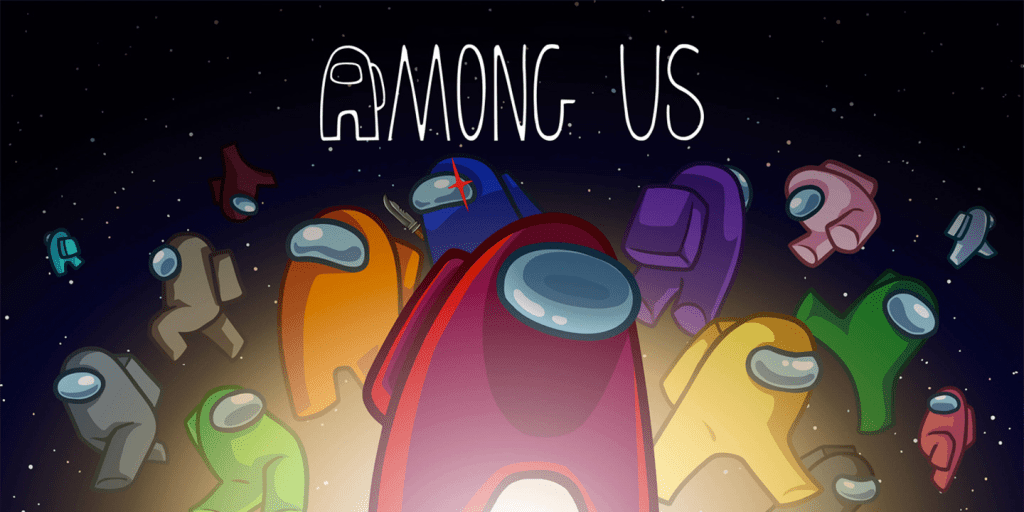
Games like Minecraft allow players to collaborate on shared virtual spaces, fostering creativity and collective ownership. Similarly, titles such as Among Us and Destiny 2 emphasise teamwork, strategy, and connection, making them excellent examples of how games can bring people together.
Virtual Spaces for Belonging
Beyond the gameplay itself, the platforms surrounding games play a key role in nurturing communities. Features like in-game chat systems, forums, and guilds provide spaces for players to share experiences and form relationships. Platforms like Discord and Reddit extend these connections, offering tools for communication, event organisation, and content sharing (Feltrin, 2020).
For many, these virtual spaces offer a sense of belonging that can be difficult to find elsewhere. Online environments often reduce social pressures, enabling individuals to connect at their own pace and on their own terms (Joinson, 2003).
Personal accounts frequently highlight the impact of these communities, with players sharing stories of finding genuine friendships and support networks during challenging times. These connections often transcend the game, becoming a meaningful part of players’ lives (Nebel and Ninaus, 2022).
Challenges and Opportunities
While gaming communities offer many benefits, they are not without challenges. Toxicity, including harassment and exclusionary behaviour, remains a persistent issue within online spaces. The anonymity of online interactions can sometimes lead to negative behaviours, often referred to as the “online disinhibition effect” (Kaye et al., 2017).
Excessive gaming can also disrupt real-life relationships and responsibilities, potentially undermining the social benefits of gaming. However, many developers and communities are actively working to address these challenges. Tools like moderation systems, community guidelines, and reporting features aim to create safer and more inclusive environments (Feltrin, 2020).
The Bigger Picture
Games are uniquely positioned to foster connection and reduce isolation. Whether it’s through shared experiences in multiplayer games, collaborative virtual spaces, or the support offered by online platforms, gaming provides a powerful avenue for building communities.
For those facing loneliness or barriers to connection, these virtual worlds can be transformative. They offer opportunities to form meaningful friendships, develop social skills, and find a sense of belonging that transcends physical boundaries.
As technology evolves, the potential for gaming to strengthen social bonds will only grow. By addressing challenges like toxicity and promoting inclusivity, the gaming industry can ensure that these spaces remain welcoming and supportive for everyone.
Looking Ahead
As we approach the final chapter in this series, the last blog will take a closer look at what lies ahead for games as a medium for social impact. We’ll explore how emerging technologies like artificial intelligence and virtual reality might shape the way games connect people, foster empathy, and address real-world challenges.
The post will also reflect on the themes covered throughout the series—education, inclusivity, community-building—and consider how these lessons can guide the future of game design. Finally, we’ll examine the role of collaboration between developers, players, and organisations in ensuring that games remain a tool for positive change.
This concluding piece will be both reflective and forward-looking, offering insights into the exciting possibilities for games to continue making a difference.
References
Feltrin, A. (2020) ‘Building Online Communities: A Case Study of Reddit Interactions.’ University Ca’ Foscari Venezia Archive.
Joinson, A.N. (2003) ‘Understanding the Psychology of Internet Behaviour: Virtual Worlds, Real Lives.’ CyberPsychology & Behavior, 6(5), pp. 547–552.
Kaye, L.K., Pennington, C.R. and McCann, J.J. (2017) ‘Do Casual Gaming Environments Evoke Stereotype Threat? Examining the Effects of Explicit Priming and Avatar Gender.’ Computers in Human Behavior, 72, pp. 90–98.
Martončik, M. and Lokša, J. (2016) ‘Do World of Warcraft Players Experience Less Loneliness and Social Anxiety in Online Communication than in Face-to-Face Communication?’ Computers in Human Behavior, 56, pp. 127–134.
Nebel, S. and Ninaus, M. (2022) ‘Does Playing Apart Really Bring Us Together? Investigating the Link Between Perceived Loneliness and the Use of Video Games During a Period of Social Distancing.’ Frontiers in Psychology, 13
 Pixel Horizons
Leave a comment